

According to Travel and Tour World (TTW), Vietnam's tourism is entering a new growth phase as international visitor numbers recover rapidly and the aviation network is restructured to expand capacity. In that picture, Phu Quoc emerges as a strategic link, not only due to its position as Vietnam's largest tourist island, but also because it has been chosen to implement a new development model, in which air connectivity plays a leading role in the entire tourism ecosystem.
The US news site commented, the expansion of Phu Quoc International Airport is a strategic move in the context of rapidly growing Asian island tourism. Air accessibility to destinations is increasingly becoming a decisive factor in competitiveness. Limitations in airport capacity, flight frequency, or lack of long-haul routes can quickly become a 'bottleneck' for island destinations. For Phu Quoc, airport upgrades are not only aimed at addressing current pressures, but also at creating room for future development.
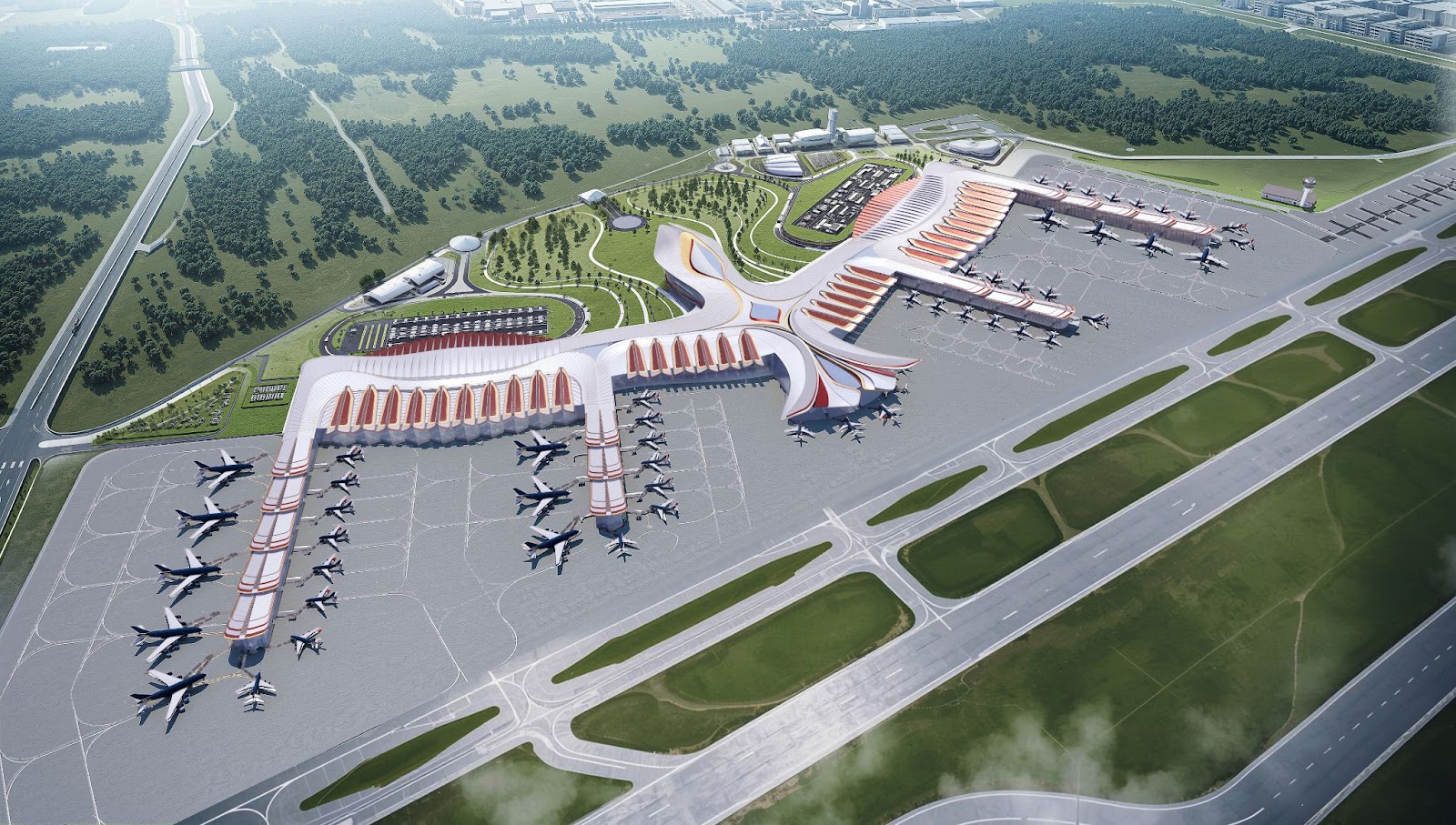
Expansion of Phu Quoc International Airport is seen as a key step to enhance the connectivity of the Pearl Island
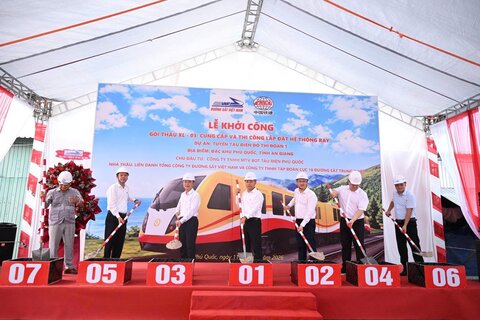
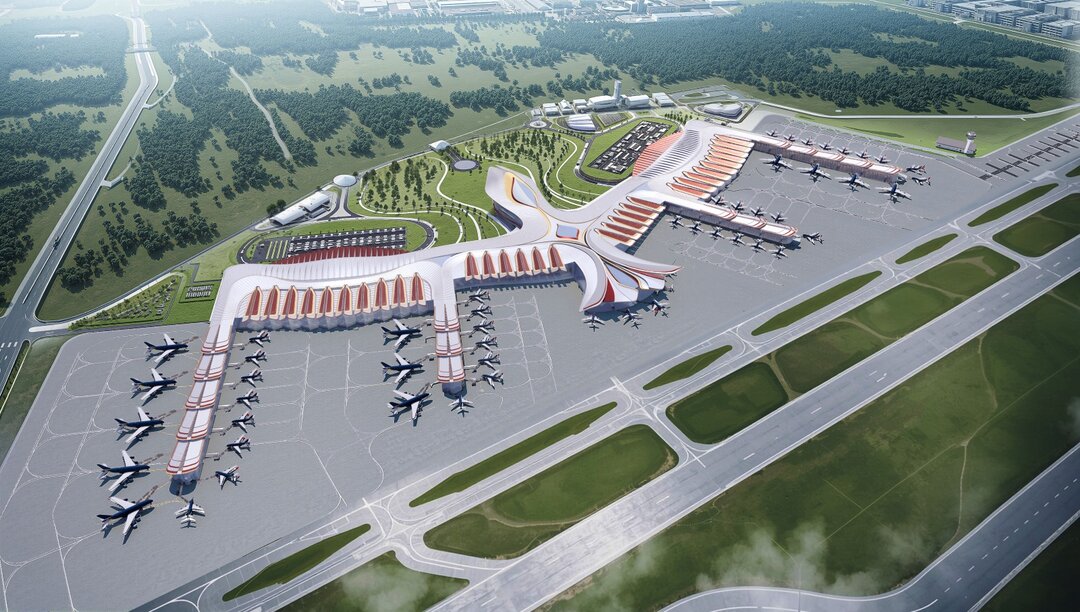
Recently, Phu Quoc International Airport was officially handed over to Sun Group Corporation for operation from January 1, 2026. The model of an international airport being assigned to a private enterprise for direct management, operation, and exploitation is expected to promote proactivity and flexibility in operations, enhance investment efficiency, service quality, and the ability to meet the rapid growth demands of an international tourist destination like Phu Quoc. Sun Group Corporation is also the investor for the expansion project of Phu Quoc International Airport. According to the approved plan, Phu Quoc International Airport will reach level 4E, according to the International Civil Aviation Organization (ICAO), allowing it to receive wide-body aircraft such as Boeing 747, 787, or Airbus A350. The expansion project has a total area of 1,050 hectares, increasing the airport's exploitation capacity to 20 million passengers per year, 4.5 times the current capacity.
Quoted from TTW's analysis, it is also shown that, parallel to the airport expansion plan, a new airline has been established, closely linked to the goal of elevating Phu Quoc through a brand named after the island - Sun PhuQuoc Airways. This airline not only supplements transportation capacity but is designed as a pillar in the destination development strategy. According to the roadmap, the fleet is expected to reach about 8 aircraft by the end of 2025 and increase to nearly 100 aircraft by 2030, including wide-body aircraft serving long-haul routes.
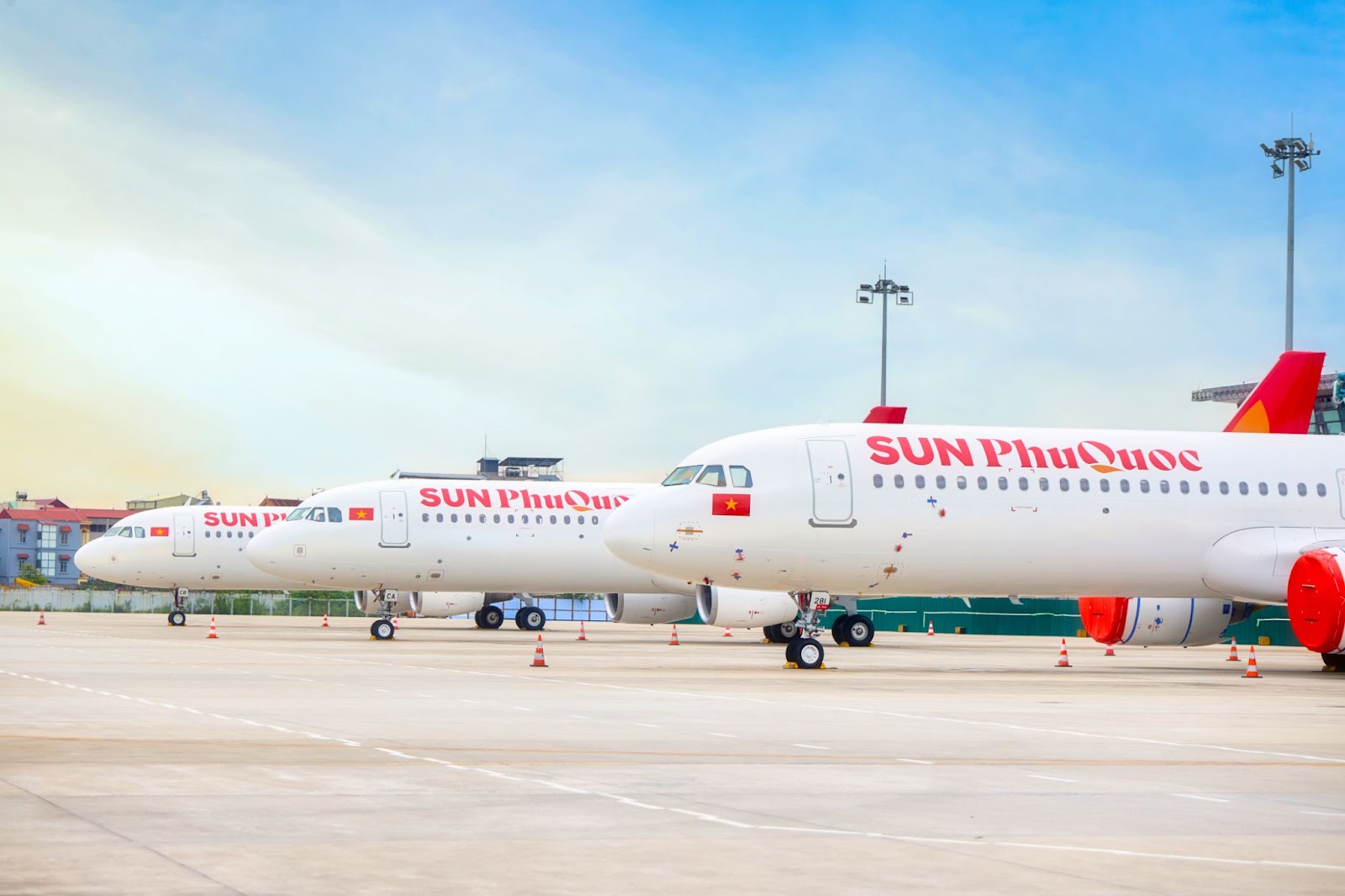
The emergence of Sun PhuQuoc Airways helps boost the air strategy for island tourism development
TTW analyzes that, despite being a familiar destination for domestic and international tourists, Phu Quoc has not yet fully exploited the potential from many international markets with ample room for growth, mainly due to limitations in air connectivity. The emergence of an airline built in sync with the island's development strategy is expected to help Phu Quoc fill these gaps, expand the customer market structure, and increase competitiveness against established island destinations in the region.
Another notable point, according to TTW, lies in Sun Group's deeply integrated development model. The group operates across key tourism sectors, from aviation, accommodation to entertainment and visitor experiences. This integration, both horizontally and vertically, helps better control the entire tourist journey, create seamless product packages, and enhance the overall value of the destination.
This aviation-tourism integration model has proven effective in many major destinations worldwide, especially in Europe and the Americas, where connectivity plays a central role in sustainable tourism development strategies. For Phu Quoc, this approach aims not only to increase visitor numbers but also to extend stays, raise spending levels, and build a clearer destination identity on the international tourism map.

Attractive tourism - entertainment - resort ecosystems are the key that makes tourists love Phu Quoc
The future of Phu Quoc according to TTW's assessment - as domestic flight frequency increases and international routes are expanded, Phu Quoc can attract a stable flow of tourists year-round, gradually reducing dependence on single markets. In the long term, the emergence of direct flights connecting to Europe, the Middle East, or Northeast Asia will help Jade Island access high-spending customer segments, while opening up new opportunities for trade, investment, and international exchange.
In a broader picture, according to Travel and Tour World, the development strategy for Phu Quoc shows that Vietnam is approaching island tourism in a more systematic and long-term manner, with a focus on connectivity. As aviation infrastructure is upgraded and the tourism ecosystem operates synchronously, Phu Quoc has the opportunity to transform from an emerging destination into an island tourism hub with a position in the Asian competition.