

Modern appearance of Phu Quoc coastal city, expected to become an international center after APEC 2027
"Sweet Fruits" after APEC: Gyeongsang Booms from Tourism and Services
According to the Gyeongsangbuk-do Tourism and Culture Corporation – the locality hosting APEC 2025, right in Q4/2025, this region witnessed a 16.5% increase in domestic tourists compared to the same period, while international visitors increased by up to 20%. Not only the number of visitors, but also the level of interest on social media platforms increased significantly, with the number of discussions increasing by 33%. Notably, total tourism spending in the locality reached about 1.5 trillion won, equivalent to nearly 1 billion USD, an increase of 9.4% compared to the same period last year.
The focal point of this growth is Gyeongju city, where the conference took place. In a short period, Gyeongju has transformed into a prominent destination, attracting the attention of both domestic and international tourists. Neighboring localities such as Yeongyang, Mungyeong, or Yeongdeok also recorded tourist growth of over 20%, showing a clear ripple effect from the event.
Beyond just numbers, APEC has contributed to elevating the image of Gyeongsangbuk-do tourism by connecting with local cultural values. Destinations like Bulguksa Temple or historical exhibitions at the Gyeongju National Museum became focal points, especially when associated with high-level diplomatic activities within the framework of APEC.
Phu Quoc Prepares for a "Long Leap" After APEC
These results directly show that Gyeongsang has effectively leveraged the "boost" from APEC to promote tourism, increase international recognition, and stimulate spending. However, the locality's approach still primarily revolves around exploiting existing values after the event, from cultural heritage to local experiences.
Meanwhile, the way Phu Quoc and Vietnam are preparing for APEC 2027 shows a broader vision. Instead of just leveraging APEC as a communication opportunity or short-term demand stimulus, the "Pearl Island" aims to use this event as a turning point to reshape its entire development structure, moving towards the goal of becoming an international-level comprehensive economic, tourism, and service center.
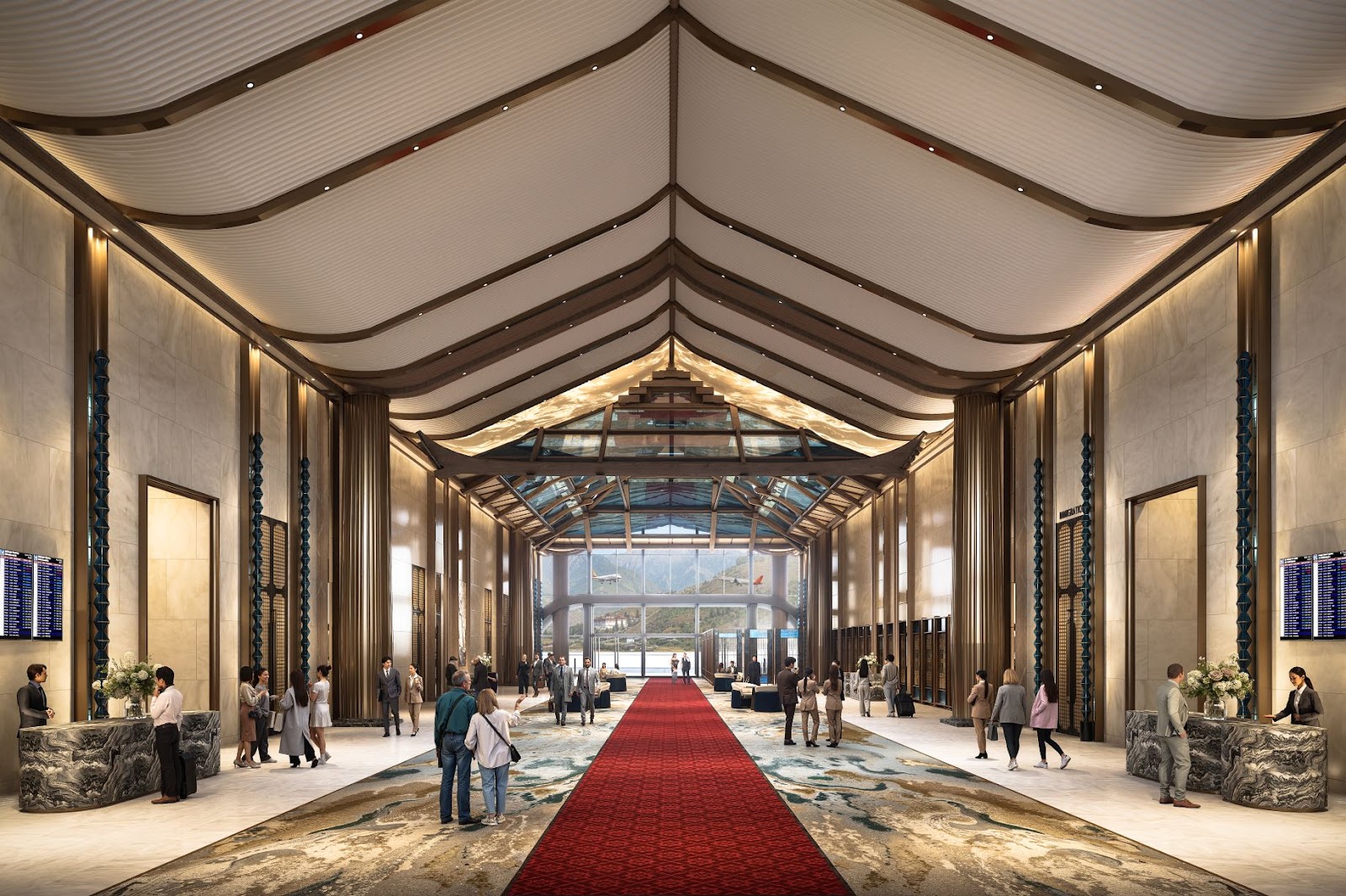
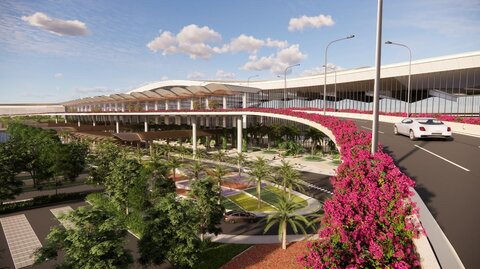
Phu Quoc Airport VIP Terminal is built to strict standards for high-level visits.
In 2025, the pearl island is witnessing a national-level investment in the island's infrastructure, with a scale and vision for 100 years instead of just serving single events. The international airport is oriented to become the most modern airport in the world with a partnership with Changi Airport Group, expanding to welcome 50 million passengers annually; strategic transport routes like DT975 are synchronously planned with 10 lanes, while modern public transport models like the LRT urban railway are also being implemented in parallel, directly connecting the airport gateway to the convention center.
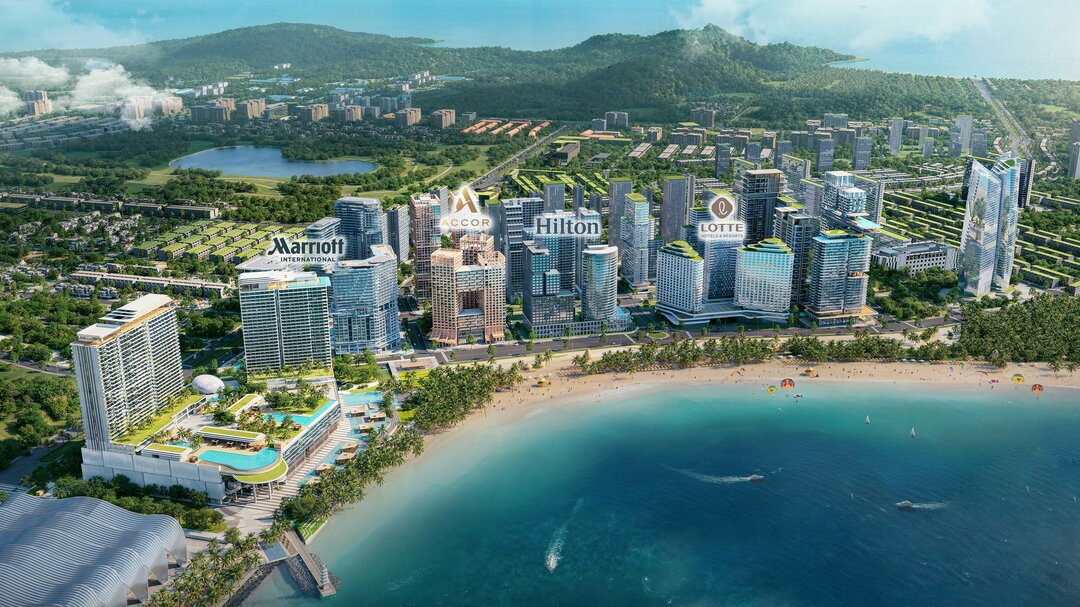
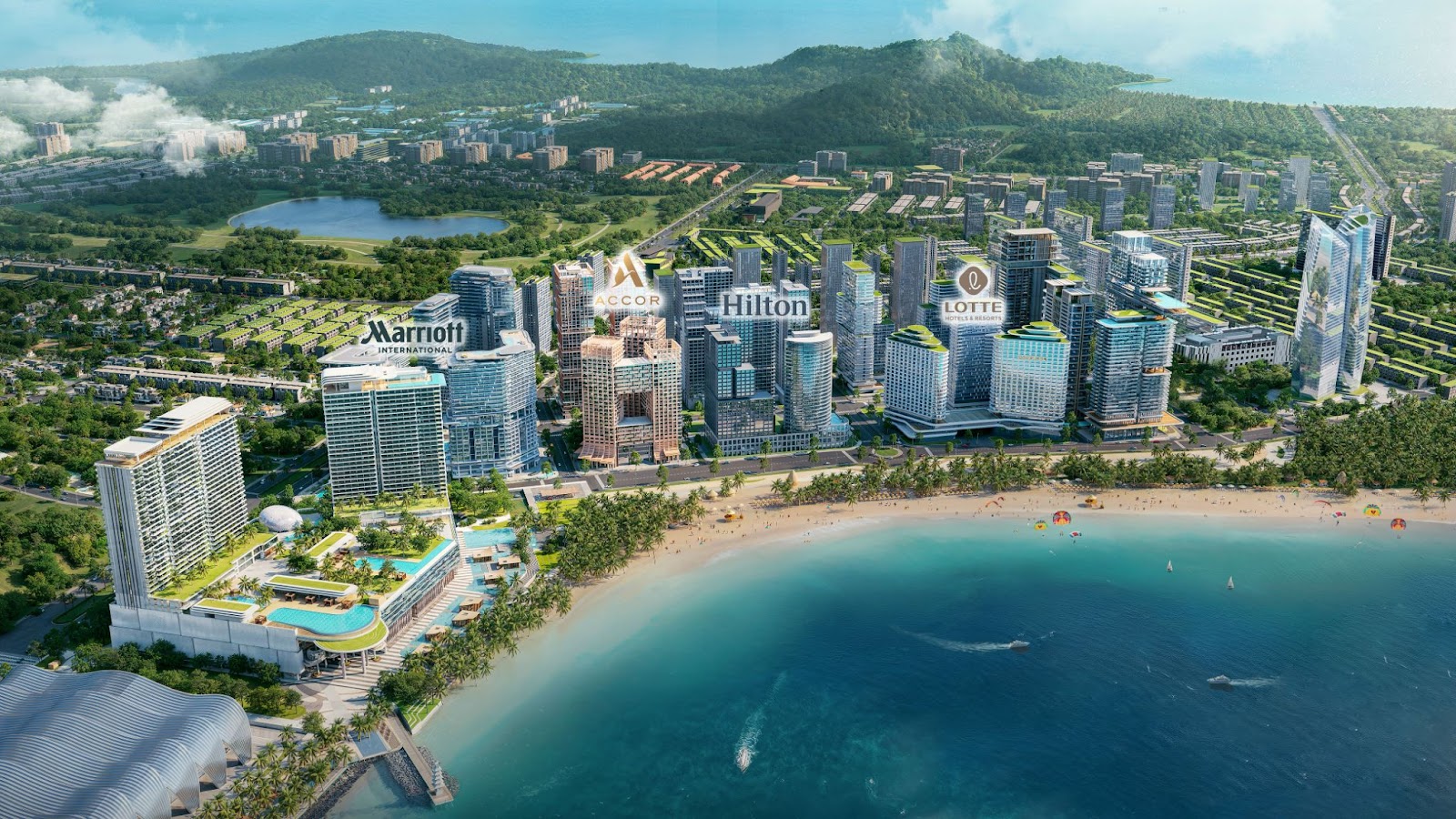
Concurrently, a comprehensive ecosystem for conferences and tourism is being formed. The APEC Convention and Exhibition Center with the world's largest conference hall, a multi-purpose Performance Hall, a system of high-class accommodations operated by leading names: Marriott, Accor, Lotte… and entertainment and resort complexes developed synchronously, creating a space capable of hosting world-class international events.
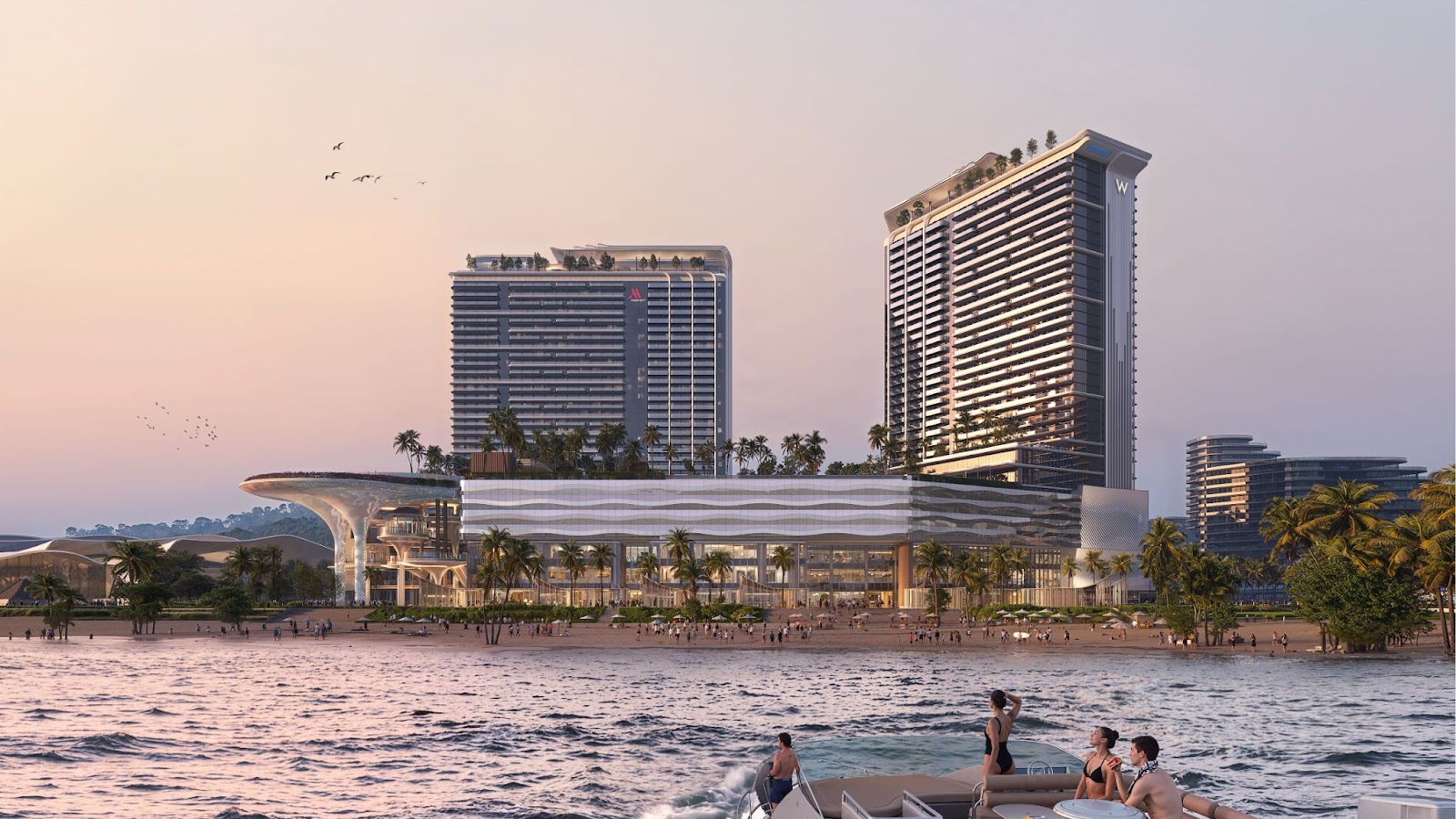
A meticulously invested entertainment - resort complex, with partnerships with "big players" ready to welcome a large number of tourists.
Not only stopping at iconic constructions, Phu Quoc is invested with the core foundation of a modern city, from large-scale waste treatment plant systems to the gradual undergrounding of technical infrastructure to enhance landscape quality and urban operation. Notably, Phu Quoc Sun International Hospital is also ready to operate, with the most advanced machinery systems along with a team of consultants and leading domestic and international doctors and physicians, with the goal of providing high-quality healthcare services for the people and absolute peace of mind for tourists and future elite residents on the Pearl Island. These are less "glamorous" but decisive components in improving living standards, ensuring sustainable development, and creating the appearance of a civilized city.
If Gyeongsang leverages APEC to boost tourism, Phu Quoc is moving towards transforming from a resort destination into a future "super island city" where tourism, investment, living, and high-class economic and service activities converge.
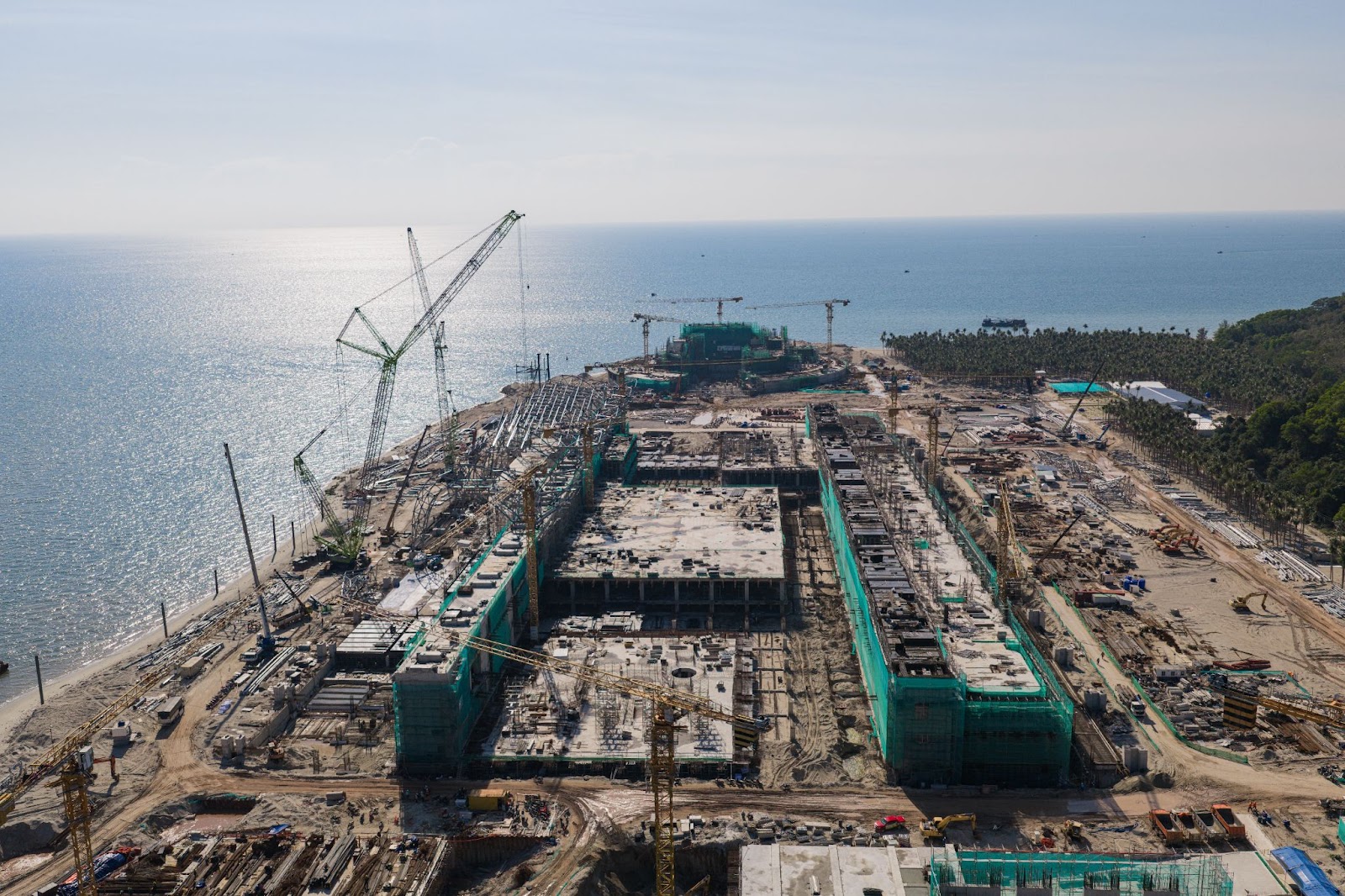
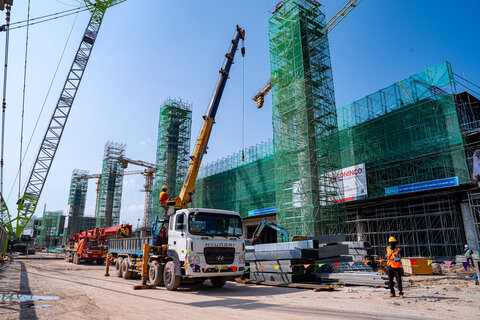
The APEC Convention and Exhibition Center is under rapid construction, completing the steel structure and installing the 12th roof span.
From the stories of Gyeongsang and previous host localities, it can be seen that APEC has the ability to create significant economic impacts in a short period of time. But with the current scale of investment and vision, Phu Quoc is facing a greater opportunity: not only to "reap a bumper harvest" after APEC, but also to enter a new development cycle, where this event becomes a launchpad to position itself on the world map of leading tourism and event destinations.