

The 3-2 victory of U23 Vietnam against U23 UAE on the evening of January 16th is not simply seen as a professional result. Regional media assess this as a milestone demonstrating the clear maturity in mettle, playing style, and competitiveness of Vietnamese football on the continental stage. The fact that UAE – the last representative of the West Asian region – exited the tournament further makes U23 Vietnam's victory carry symbolic meaning, as the U23 Asian Cup semi-finals no longer have any teams from the region once considered a "powerhouse" of the tournament.
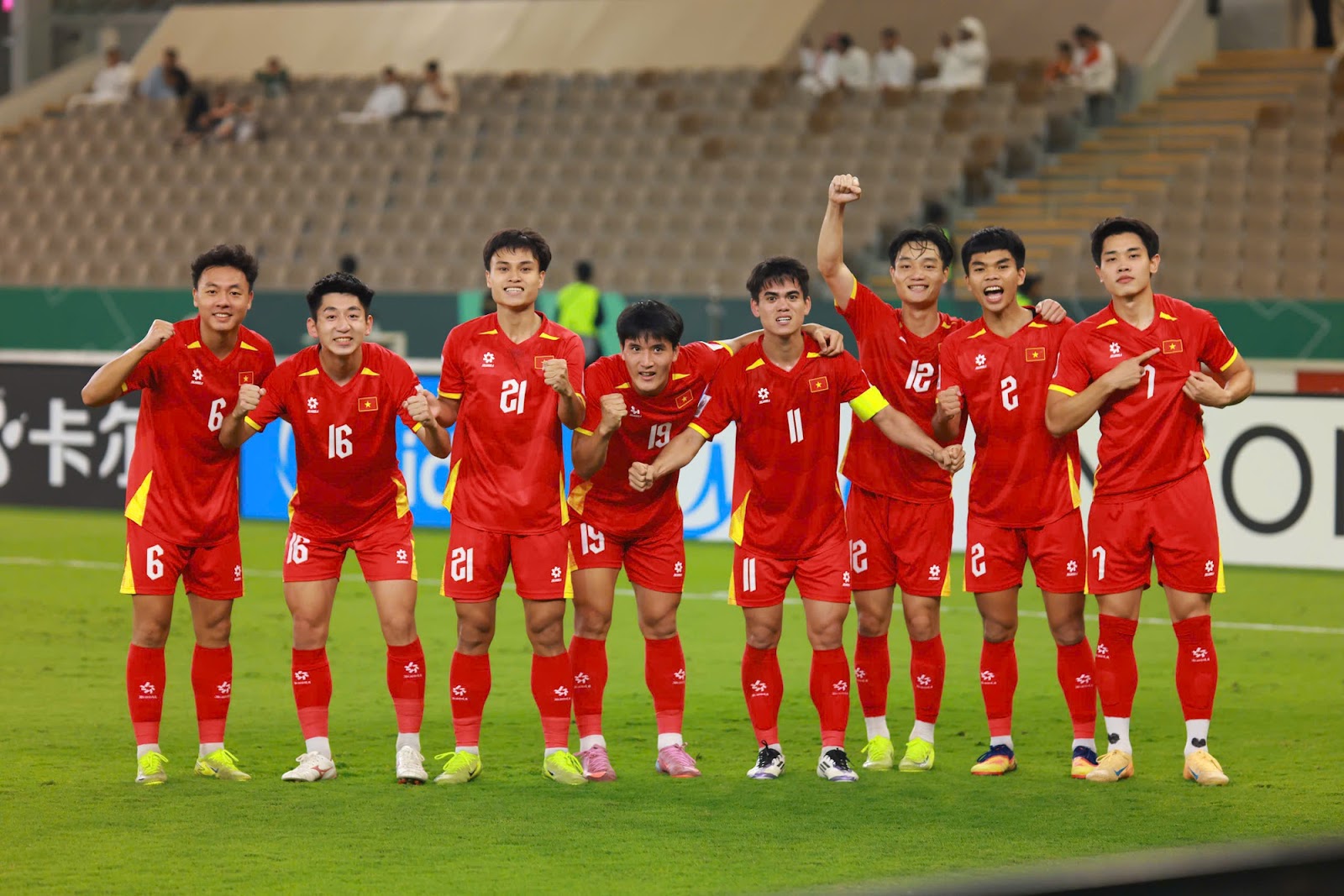
U23 Vietnam is carrying the hopes of all of Southeast Asia to advance to the semi-finals. Photo: Ted Tran
Immediately after the match, many major newspapers in Thailand and Southeast Asia continuously paid special attention to U23 Vietnam. Thairath newspaper commented: “Asia Shaken! Vietnam is carrying the hopes for all of Southeast Asia” , while many regional sports forums assessed that Vietnam has surpassed the image of a strong team in the region to become a truly competitive opponent on the continental stage.
From a Proud Victory to the Urgency of Vietnam's Sports Infrastructure
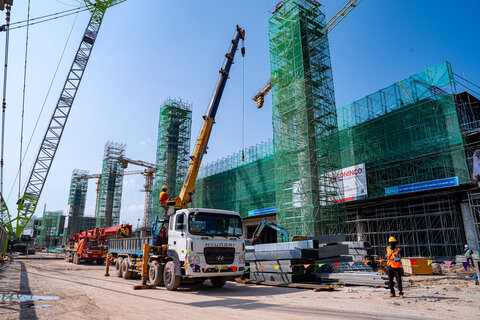
However, what made the media in Thailand and countries in the region clearly express their astonishment was not just the victory on the field. At the same time as articles praising U23 Vietnam appeared densely, Ho Chi Minh City officially broke ground Rach Chiec National Sports Complex on January 15 – a large-scale sports infrastructure project after nearly 30 years in planning.
According to the assessment of the Thai press, Vietnam's simultaneous achievement of impressive performance and strong investment in international standard sports facilities indicates a systematic, long-term development direction – a foundational element for rising to host major regional and world sports events.
ASEAN Football, a leading regional football monitoring channel with high interaction, assessed that upon completion, the Rach Chiec National Sports Complex will be capable of hosting SEA Games, ASIAD, regional Olympic tournaments, and many other international sports events. According to this page, this is “an important milestone for the sports infrastructure of Vietnam and ASEAN, helping the region take a solid step forward onto the world-class sports stage”.
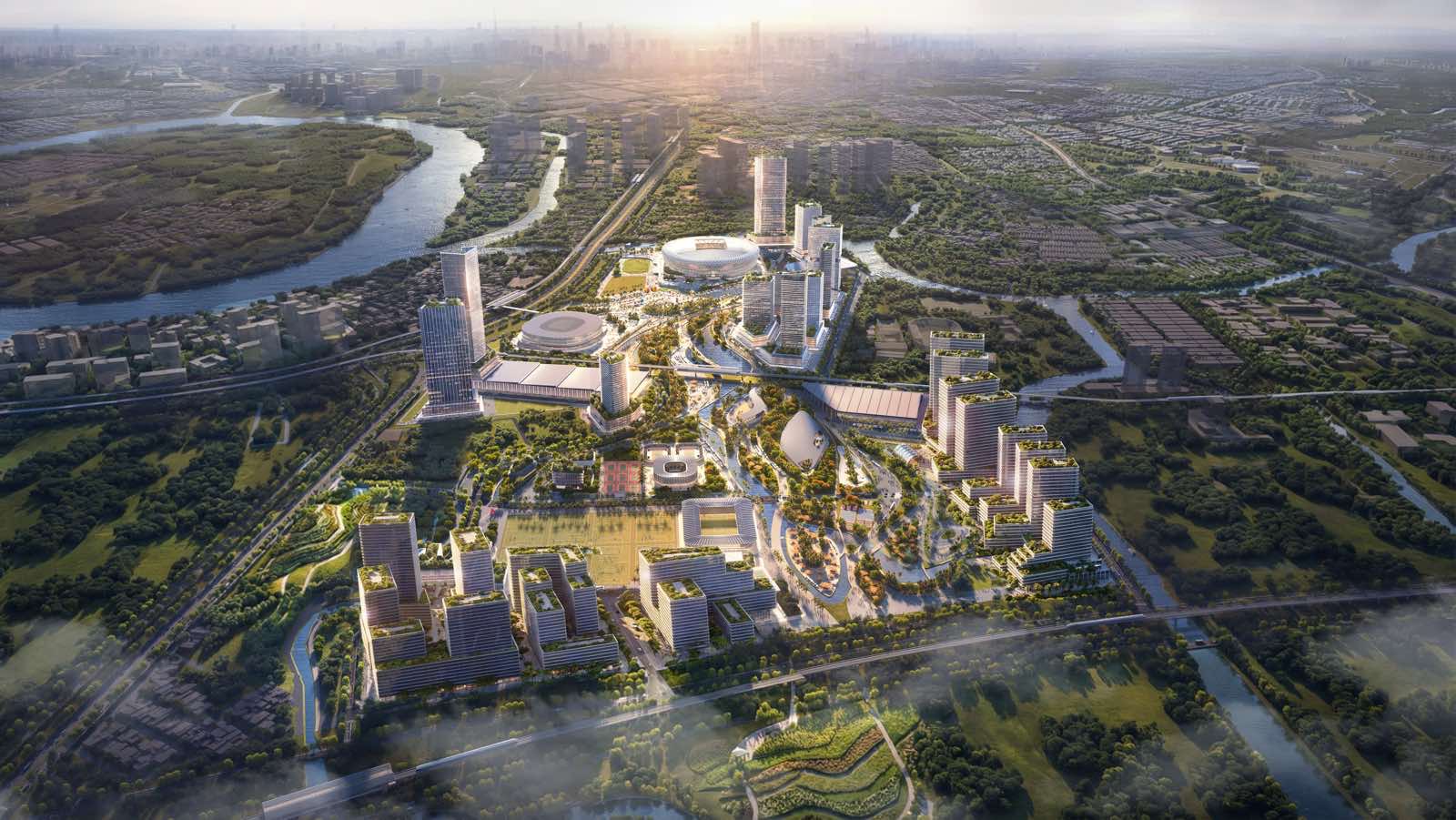
Rach Chiec National Sports Complex will elevate Vietnamese sports to new heights
On forums, Southeast Asian fans also expressed strong support for the project, arguing that ASEAN needs more FIFA-standard stadiums to elevate the quality of tournaments and the region's overall image. Many comments such as “Well done Vietnam”, “Amazing”, or “Other countries should learn from this” appeared frequently.
IQ Magazine (UK), a magazine specializing in international infrastructure and event venues, assessed this as a strategic move for Vietnam to attract major tournaments and events. The Stadium Business, a reputable European platform tracking the stadium industry, also reported in detail on the groundbreaking ceremony, the scale, and the project's impact on the Asian sports infrastructure landscape.
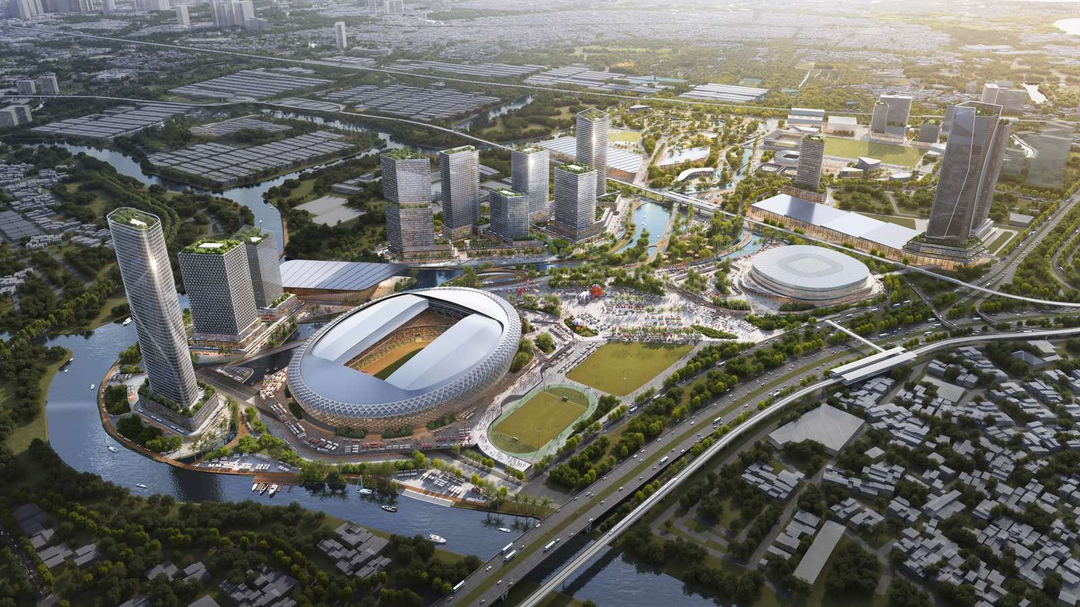
Rach Chiec National Sports Complex, with a total investment of over VND 145,600 billion (equivalent to approximately 5.5 billion USD), is considered by Thai media to be the largest sports infrastructure project ever implemented in Vietnam. The project is seen as a foundational preparation for Vietnam's long-term ambitions in sports, extending beyond the region.
The highlight of the complex is a central stadium with a capacity of approximately 70,000 seats, featuring a modern soundproof roof, integrated with a smart air conditioning system, capable of flexibly hosting large-scale sports tournaments and entertainment events. Additionally, there is a synchronized system of arenas, training centers, community sports facilities, and public spaces, forming a cultural-sports-entertainment ecosystem with ample green spaces, enhancing the quality of life for residents, turning this place into a cultural destination, where international-scale shows are performed nightly, world stars can come to organize concerts, offering diverse cultural, tourism, and sports experiences, stimulating the night economy in developed cities.
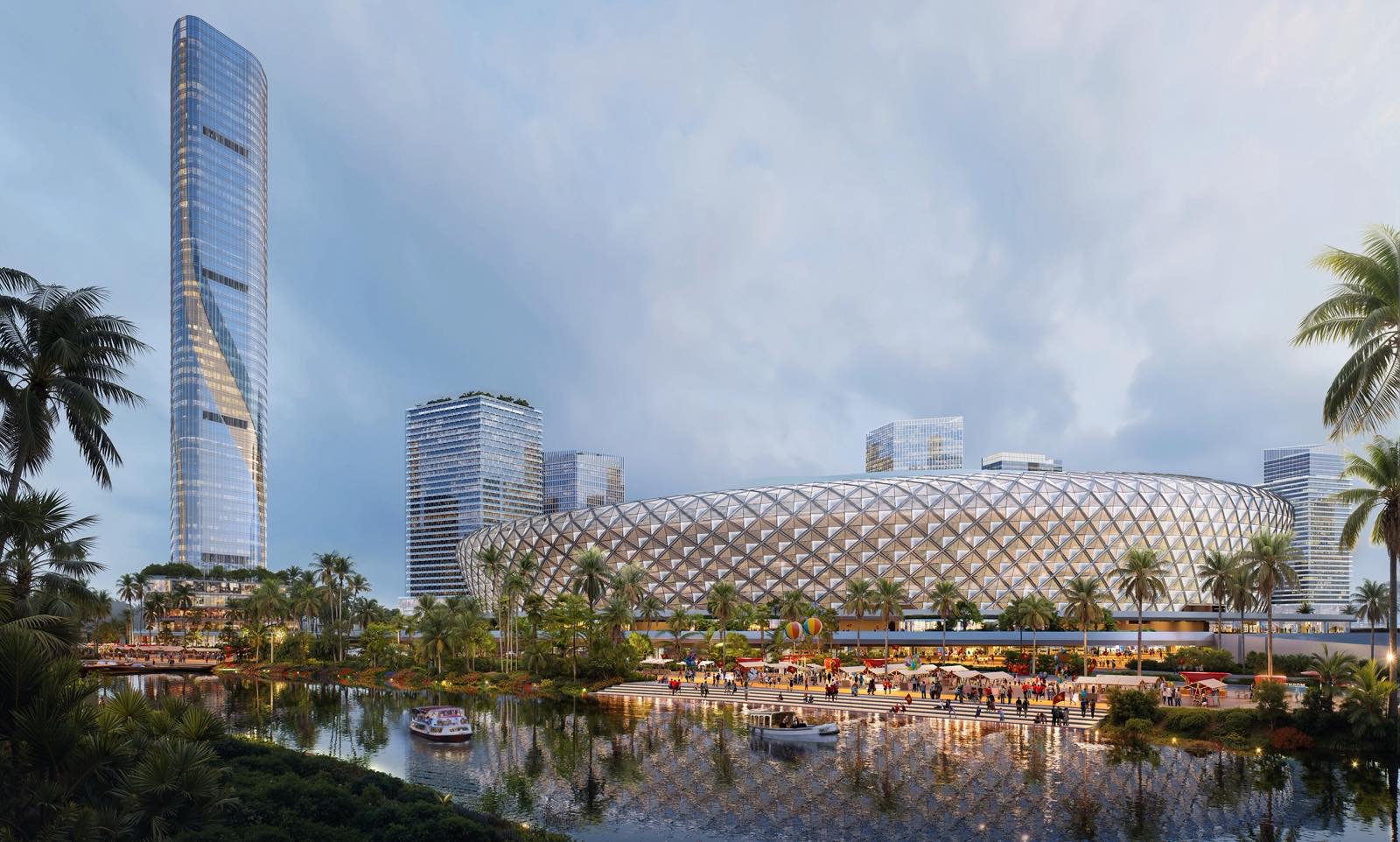
Stadiums not only serve top-tier sports competitions but can also be converted into spaces for organizing art programs, large-scale music concerts, and international-standard large-scale entertainment events
Recently, Vietnam has continuously commenced and broken ground on large-scale sports infrastructure projects. Before Rach Chiec in Ho Chi Minh City, the capital Hanoi also commenced a sports urban area project with the highlight being the Trong Dong Stadium with a capacity of 135,000 people, and in Hung Yen, the Ministry of Public Security also commenced the construction of the multi-purpose PVF stadium with a capacity of 60,000 seats.
Along with the Politburo issuing Resolution No. 80-NQ/TW on the development of Vietnamese culture and unifying the selection of November 24th annually as Vietnamese Culture Day, demonstrating a significant shift in the perception and actions of our Party: placing culture back in its rightful position as the "spiritual foundation of society", an internal strength determining the sustainable development of the country, the development of a series of large-scale sports infrastructure projects clearly shows the long-term vision and strategy of the Party and the State in improving the quality of cultural, spiritual, and especially physical life of the Vietnamese people. And in the future, the dream of improving the physical health of Vietnamese people will surely be realized.