

APEC and Urgent Requirements for Island Healthcare Capabilities
For tourism-oriented islands, geographical distance always presents a unique challenge. In emergencies such as strokes, heart attacks, polytrauma, or mass-casualty incidents, the need to transport patients to the mainland can compromise the critical "golden window" for treatment. Consequently, enhancing on-site management capabilities and establishing integrated networks for consultation, patient transfers, and emergency transport are key criteria for evaluating healthcare capacity in such unique island environments.
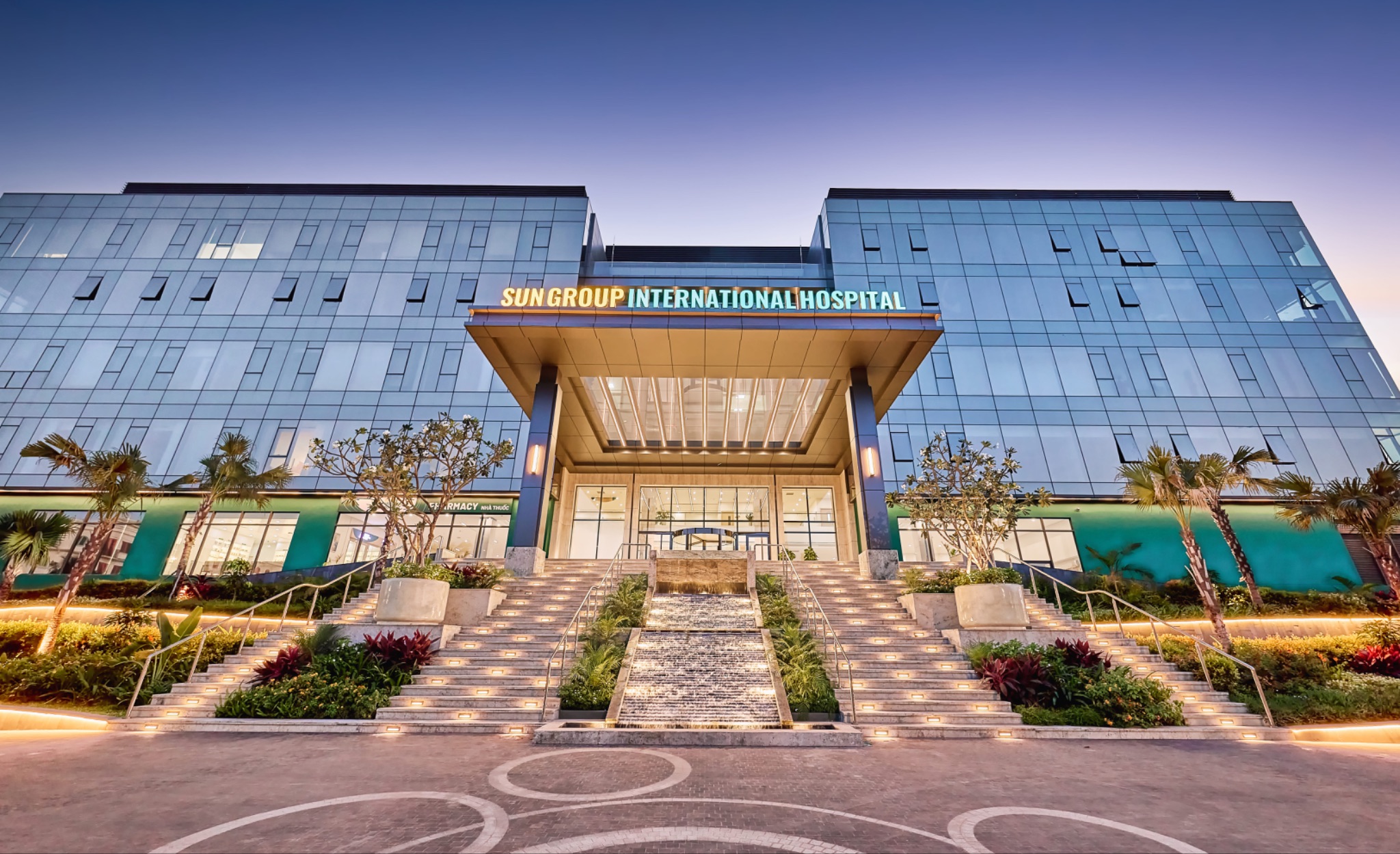
Sun Group International Hospital is one of the units participating in ensuring medical services for APEC 2027
In Hawaii (USA) , since 1978, a statewide medical emergency system has been built, coordinating personnel, treatment facilities, and pre-hospital resources to create a unified response to emergencies, natural disasters, and serious incidents.
In the Maldives, where the geography is divided by thousands of islands, the healthcare system is organized in multiple tiers, from island-based primary care centers to regional hospitals and tertiary care facilities. This island nation is prioritizing service decentralization, developing regional medical centers, and applying remote consultations to bring specialized expertise closer to the community, minimizing unnecessary travel to the capital, Malé.
This shows that an island aiming to be an international tourism and resort center must possess full medical capabilities, from on-site emergency and treatment capacity, expert connectivity, clear referral processes, safe medical transportation, and disaster response capabilities.
For Phu Quoc, in addition to the goal of becoming an international destination, the APEC 2027 event to be held here also sets new requirements for the island's medical capacity. This is not simply about preparing emergency capacity during the conference, but a comprehensive issue of personnel, equipment, out-of-hospital care, internal medicine, surgery, cardiology, stroke, food safety, disease prevention, and response to mass casualty incidents.
In particular, the Phu Quoc Medical Center has initially improved its examination and treatment capacity for island residents, with support and collaboration from central-level hospitals. The special economic zone is also planning to commence construction of the Phu Quoc General Hospital with 500 beds in the Cua Can area by the end of 2026, contributing to enhancing the examination and treatment capacity for island residents.
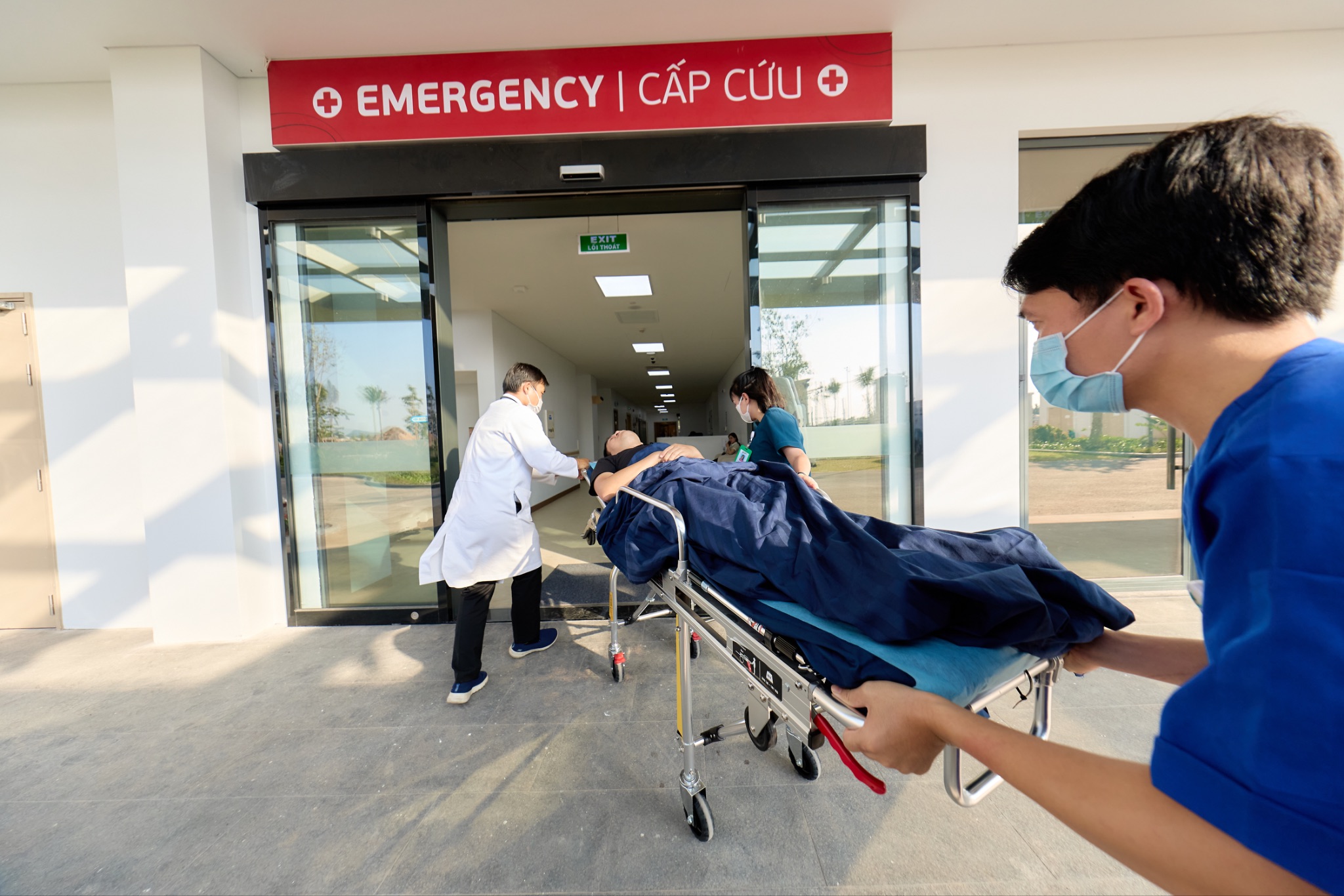
The APEC 2027 event has set emergency requirements during the conference, and is also an overall challenge regarding human resources, equipment, out-of-hospital emergency care, etc.
Furthermore, in the private healthcare sector, to serve APEC, during surveys in Phu Quoc, Director of the Department of Medical Examination and Treatment Management, Ministry of Health, Ha Anh Duc stated that Phu Quoc Sun Group International Hospital is one of the units participating in ensuring healthcare for APEC 2027, in coordination with professional forces from Cho Ray Hospital, University Medical Center Ho Chi Minh City Hospital, and Military Hospital 175.
“Providing professional support and enhancing the capacity for Sun Group International Hospital is a very important step, laying the foundation for better, more advanced services in the future,” emphasized Mr. Ha Anh Duc.
Building a strong healthcare system for Phu Quoc to "reach out to the big sea"
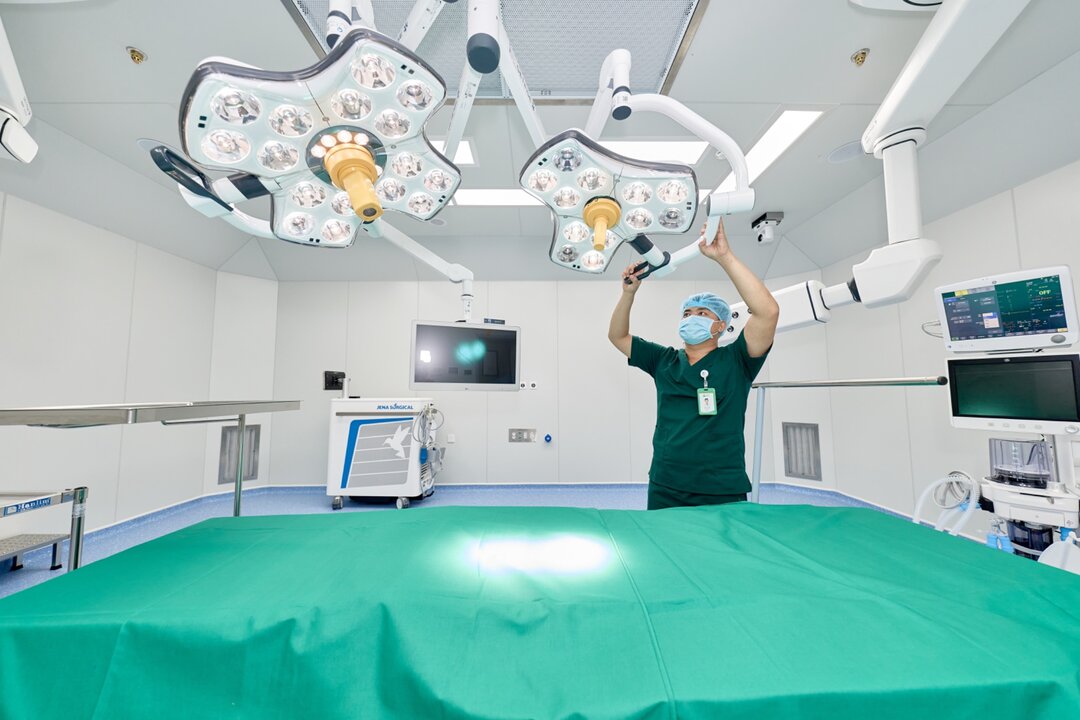
Sun Group International Hospital located in An Thoi, with a scale of 21,600 m² with the most modern and advanced machinery system currently, such as DSA Philips Azurion 7M20 - allowing for cardiovascular and stroke interventions on the island; an AI-integrated 3.0 Tesla MRI machine; a 512-slice spectral CT scanner capable of full-body scans in under 2 seconds; along with a modern endoscopy system supporting early cancer screening …
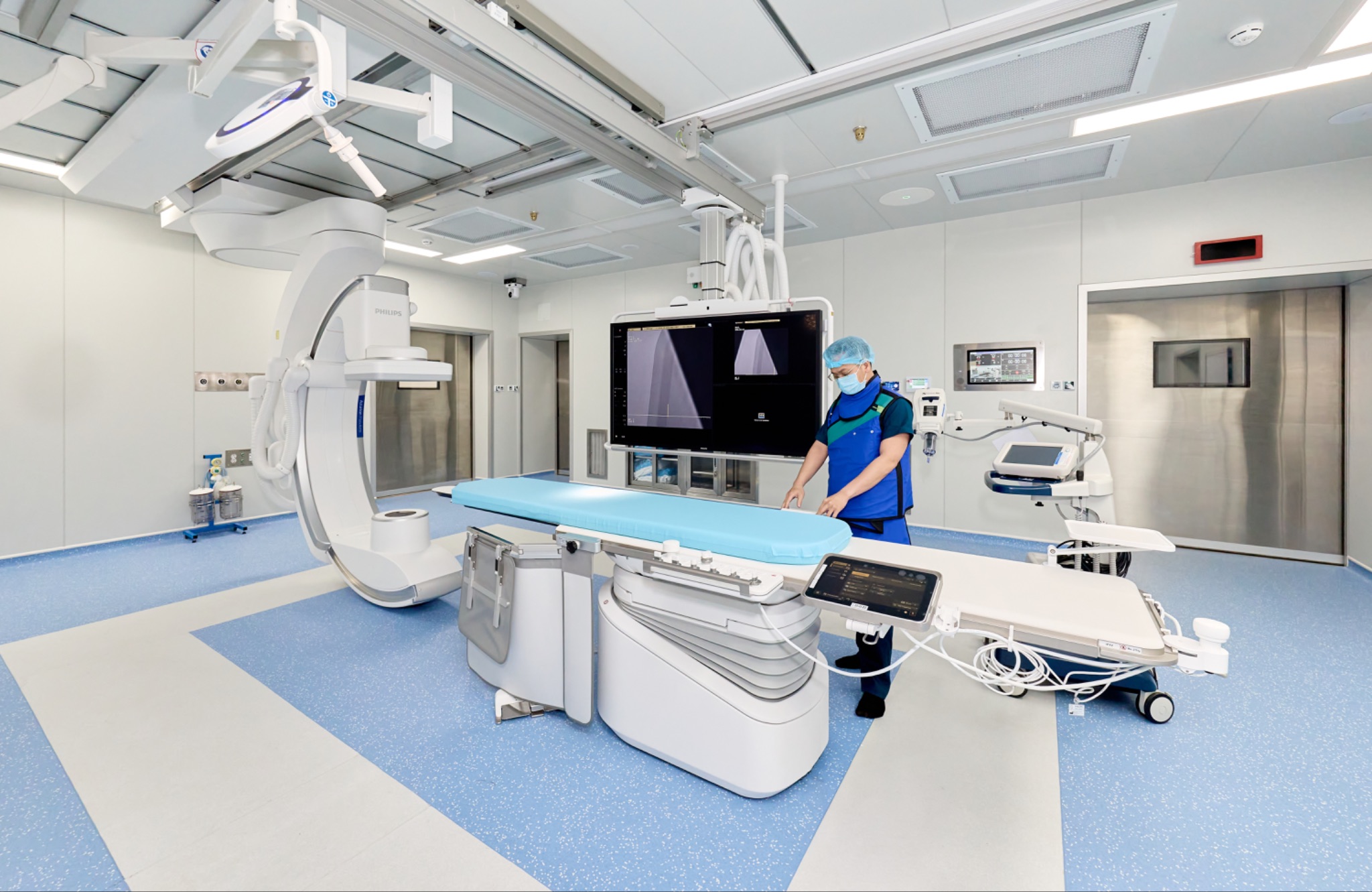
Sun Group International Hospital is invested with the most modern and advanced machinery system today.
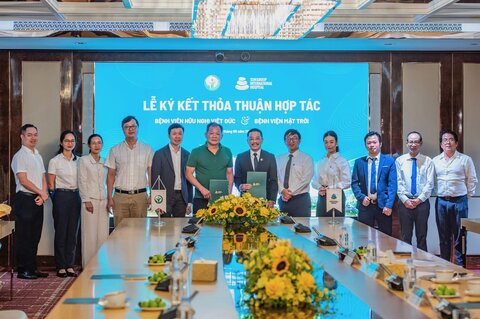
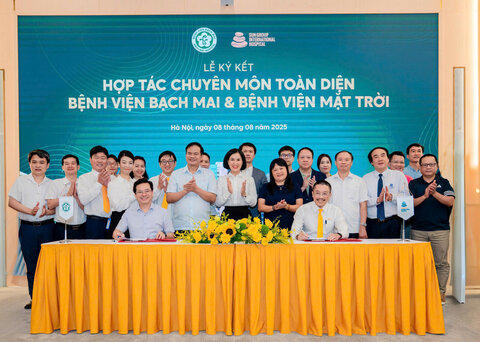
To enhance treatment capacity, especially for difficult cases to limit patients having to transfer to the mainland, in a short time since becoming operational, Sun Group International Hospital has signed many comprehensive professional cooperation agreements with leading domestic hospitals such as the National Institute of Hematology and Blood Transfusion, Cho Ray Hospital and Military Hospital 175.
Accordingly, Cho Ray Hospital - a special-class hospital, the final referral center for the Southern region, possessing strengths in multiple specialties and extensive experience in handling severe and complex cases - will support direct and remote consultations, treatment of difficult cases, personnel training, technology transfer, blood supply assurance, and referral coordination.
Meanwhile, Military Hospital 175 - a leading unit in emergency resuscitation, trauma, and disaster medicine, outstanding with its ability to deploy out-of-hospital emergency care and air medical transport will support the training of on-site medical staff in advanced emergency techniques.
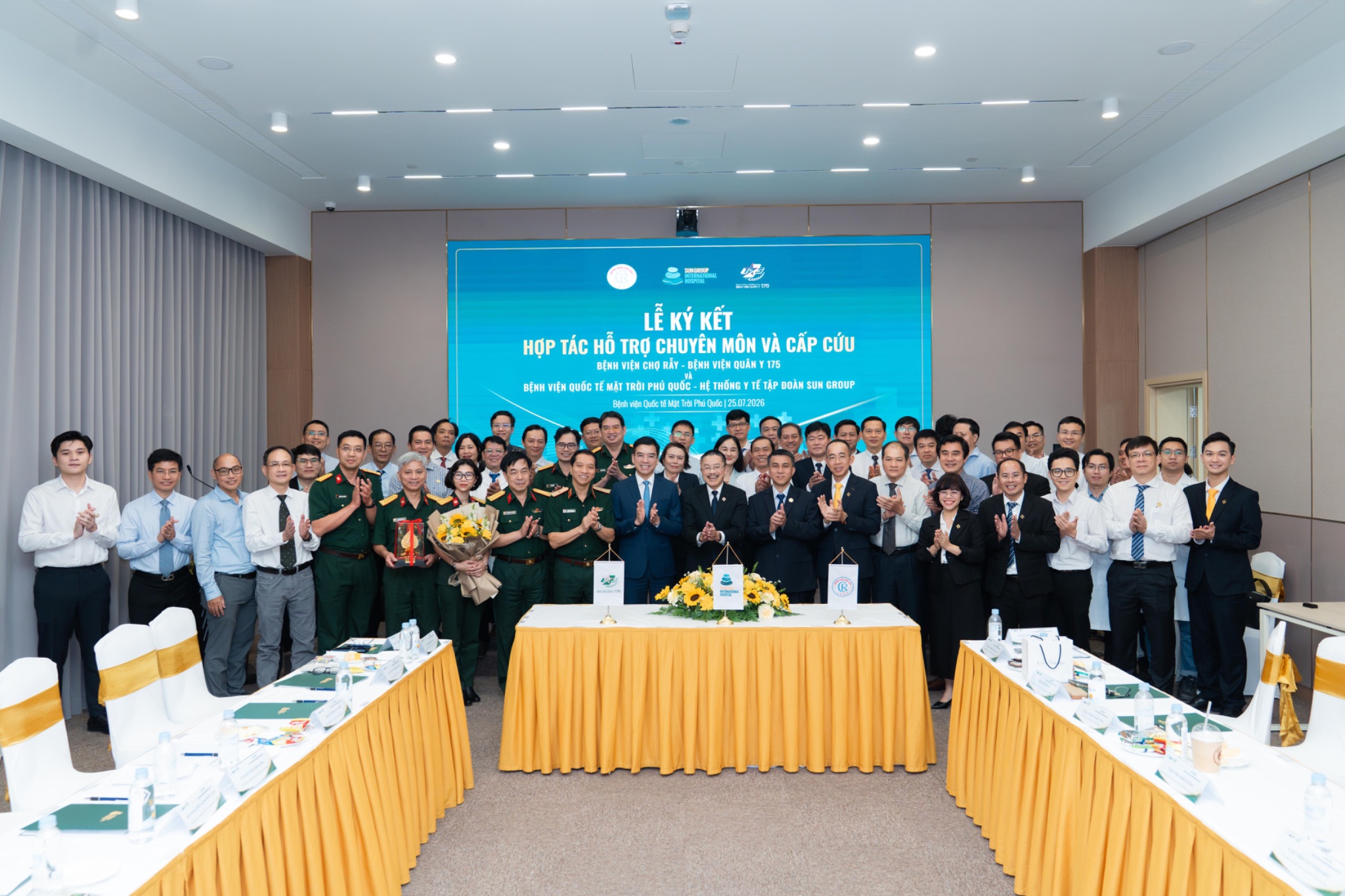
Sun Group International Hospital has signed many comprehensive professional cooperation agreements with leading domestic hospitals
This model aims to form a seamless treatment process. Patients are received, diagnosed, and treated early right in Phu Quoc; top-tier experts can participate in consultations; cases exceeding the island's treatment capacity are stabilized and transported according to safe procedures.
According to Doctor Nguyen Quang Thang, Director of Sun Group International Hospital, the hospital will continue to enhance its capacity in emergency, resuscitation, cardiology, surgery, and essential specialties; complete plans for consultations, expert mobilization, and air ambulance transport; and simultaneously train staff, conduct medical scenario drills, and standardize procedures for serving international guests. He emphasized: "APEC 2027 is not the final destination. It is a driving force for the hospital to continue investing and developing sustainably, contributing to building a healthcare system capable of accompanying the long-term development of Phu Quoc."
At that time, the greatest value left after APEC will not only be the capability to successfully serve an international summit week. It will also be a well-invested medical foundation, with the capacity for on-site treatment and connections to leading medical centers. This is a necessary condition for Phu Quoc to become a desirable destination, a livable place, and capable of hosting major events in the future.